Exploring the Cultural Contradictions of the Tsonga People
Category : | Sub Category : Posted on 2024-11-05 22:25:23
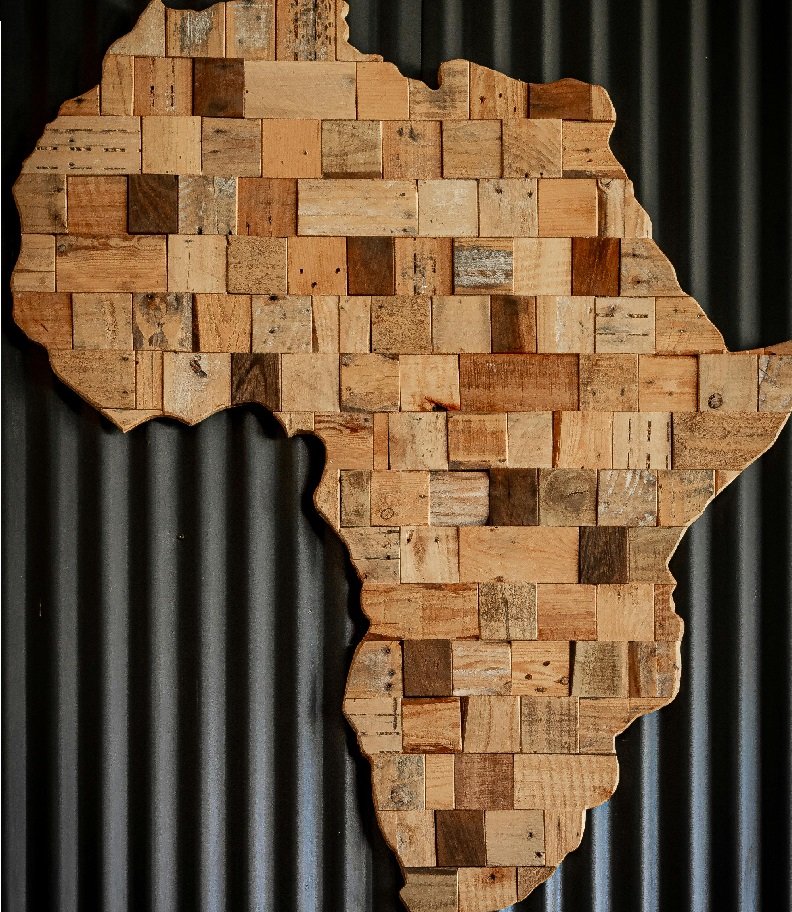
The Tsonga people, also known as the Shangaan or Thonga, are a Bantu ethnic group indigenous to southern Africa, mainly living in Mozambique, South Africa, Zimbabwe, and Eswatini. Rich in history, traditions, and customs, Tsonga culture is a fascinating tapestry of beliefs and practices that have been passed down through generations. One intriguing aspect of Tsonga culture is the presence of contradictions that add complexity and depth to their way of life. One of the notable cultural contradictions within Tsonga society is the blend of traditional spiritual beliefs with modern influences. The Tsonga people have a strong connection to their ancestral spirits and practice various rituals to honor and communicate with them. At the same time, many Tsonga individuals also adhere to Christianity, introduced by European missionaries, creating a unique syncretism of beliefs where traditional and modern religions coexist. Another cultural contradiction lies in the balance between communal values and individual aspirations. The Tsonga people place a high value on community harmony, cooperation, and collective decision-making. However, as modernization and globalization impact their society, younger generations are increasingly embracing individualism, pursuing personal goals, and navigating the tension between tradition and modernity. Gender roles and expectations also present a fascinating contradiction within Tsonga culture. While Tsonga society is traditionally patriarchal, with men holding positions of authority and leadership, women play a significant role in the family structure and often hold considerable influence within their communities. This juxtaposition of gender dynamics reflects the evolving nature of gender relations in Tsonga culture. Furthermore, the Tsonga people have a deep connection to their land and natural environment, valuing sustainability and harmony with nature. Yet, rapid urbanization and economic pressures have led to environmental challenges and the loss of traditional agricultural practices, highlighting the struggle between preserving cultural values and adapting to changing circumstances. In conclusion, the cultural contradictions within Tsonga society reflect the complex and dynamic nature of their heritage. As they navigate between tradition and modernity, communal values and individual aspirations, and spiritual beliefs and external influences, the Tsonga people continue to evolve while preserving the essence of their cultural identity. Embracing these contradictions can offer valuable insights into the rich tapestry of Tsonga culture and provide a deeper appreciation for the complexities of their way of life. For a broader perspective, don't miss https://www.anlm.org For additional information, refer to: https://www.visit-kenya.com For a comprehensive review, explore https://www.tonigeria.com For expert commentary, delve into https://www.tocongo.com Seeking more information? The following has you covered. https://www.savanne.org
Leave a Comment:
SEARCH
Recent News
- Zurich, Switzerland is a vibrant city known for its rich cultural scene and diverse music offerings. One unique aspect of Zurich's music scene is the presence of Sudanese music, which has found a home in the city's melting pot of cultures.
- Zurich, Switzerland is a vibrant city known for its picturesque landscapes, rich history, and diverse cultural scene. One fascinating aspect of Zurich's cultural tapestry is the influence of Sudanese culture in the city.
- Zurich, Switzerland is known for its multicultural atmosphere and diverse culinary scene. One of the lesser-known gems of Zurich's food scene is Sudanese cuisine. Sudanese cuisine is a reflection of the country's diverse cultural influences, blending Arabic, African, and Mediterranean flavors to create a unique and delicious culinary experience.
- Zurich, Switzerland, is a vibrant city known for its scenic beauty, rich history, and thriving business environment. One interesting aspect of Zurich's business landscape is the presence of Sudanese entrepreneurs who have made their mark in various industries in the city.
- Visiting Zurich, Switzerland, can be an enriching experience for music lovers from all corners of the world. While the city may not be the first place that comes to mind when thinking about South African music, Zurich's diverse music scene offers a glimpse into the vibrant sounds of this African nation.
- Zurich, Switzerland is a city known for its vibrant culture, stunning landscapes, and welcoming atmosphere. Over the years, Zurich has become a melting pot of diversity, attracting people from all corners of the world. One noticeable community that has found its home in Zurich is the Ethiopian population.
- Zurich, Switzerland is not only known for its picturesque landscapes and thriving economy, but also for its vibrant and growing Ethiopian diaspora community. The Ethiopian diaspora in Zurich is one of the largest in Switzerland, with a significant number of Ethiopians calling the city their home.
- Zurich, Switzerland: A Culinary Journey into Ethiopian Cuisine
READ MORE
9 months ago Category :

Zurich, Switzerland is a vibrant city known for its rich cultural scene and diverse music offerings. One unique aspect of Zurich's music scene is the presence of Sudanese music, which has found a home in the city's melting pot of cultures.
Read More →9 months ago Category :

Zurich, Switzerland is a vibrant city known for its picturesque landscapes, rich history, and diverse cultural scene. One fascinating aspect of Zurich's cultural tapestry is the influence of Sudanese culture in the city.
Read More →9 months ago Category :

Zurich, Switzerland is known for its multicultural atmosphere and diverse culinary scene. One of the lesser-known gems of Zurich's food scene is Sudanese cuisine. Sudanese cuisine is a reflection of the country's diverse cultural influences, blending Arabic, African, and Mediterranean flavors to create a unique and delicious culinary experience.
Read More →9 months ago Category :
