The Unique Art and Design of Tsonga Culture
Category : | Sub Category : Posted on 2024-11-05 22:25:23
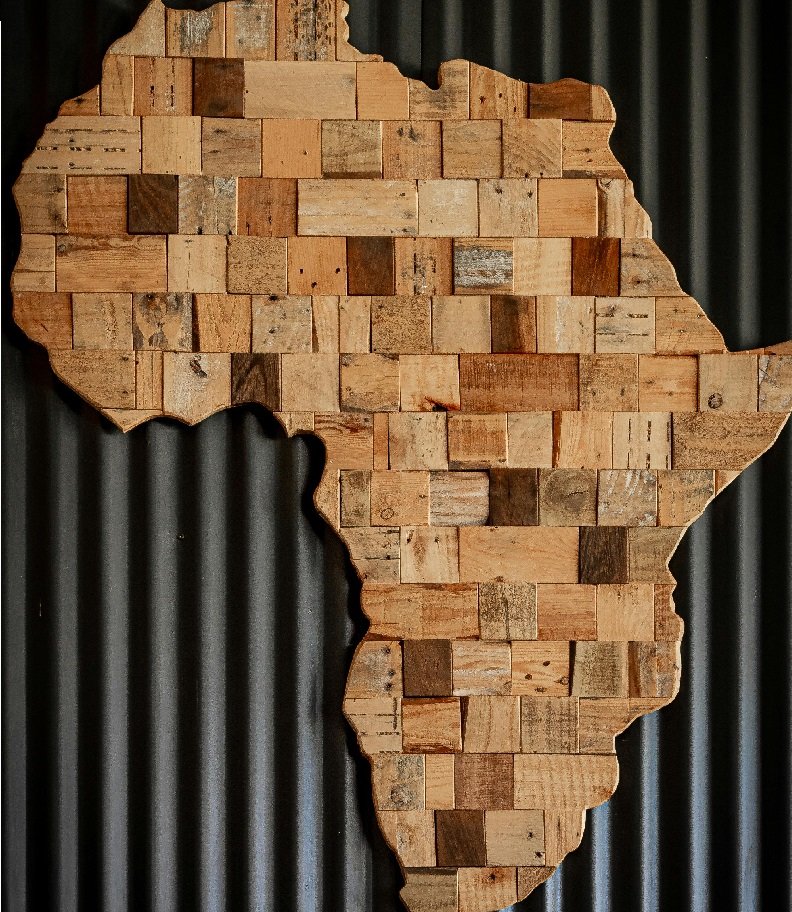
The Tsonga people, also known as the Shangaan, are an ethnic group native to southern Africa, primarily found in South Africa, Mozambique, Zimbabwe, and Eswatini. The Tsonga culture is rich in art and design, reflecting their deep connection to nature, spirituality, and community. Let's explore the captivating art and design elements that define Tsonga culture. 1. Beadwork: Beadwork is a significant aspect of Tsonga artistry, with intricate beadwork patterns adorning clothing, jewelry, and accessories. Tsonga women are particularly skilled in the art of beadwork, creating vibrant and detailed designs that symbolize their cultural heritage and identity. The use of colorful beads in geometric patterns not only enhances the aesthetic appeal of Tsonga attire but also serves as a form of storytelling and communication within the community. 2. Textiles: Tsonga textiles are known for their bold and striking patterns, often featuring geometric shapes, animal motifs, and symbolic designs. Traditional Tsonga garments such as shawls, skirts, and head wraps are meticulously crafted using techniques like weaving, embroidery, and batik dyeing. These textiles not only serve a functional purpose but also hold cultural significance, with particular designs representing different stages of life, rituals, and traditions. 3. Woodcarving: Woodcarving is another prominent art form in Tsonga culture, showcasing the skill and creativity of Tsonga artisans. Intricately carved wooden sculptures, masks, utensils, and musical instruments are common in Tsonga art, with each piece reflecting the spiritual beliefs, myths, and rituals of the community. The use of indigenous woods like ebony, mahogany, and jacaranda adds a natural beauty to Tsonga woodcarvings, making them highly valued and sought after by collectors. 4. Architecture: Traditional Tsonga architecture is characterized by round, thatched-roof huts with mud walls and wooden supports. These huts, known as "rondavels," are not only practical dwellings but also symbolic structures representing the unity and harmony of the community. The intricate patterns and designs painted on the walls of rondavels reflect the artistic sensibility of the Tsonga people and serve as a form of cultural expression. 5. Pottery: Pottery making is a traditional craft among the Tsonga people, with clay pots and vessels being essential for everyday use, storage, and ceremonial purposes. Tsonga pottery is known for its distinctive shapes, patterns, and decorations, often incorporating motifs inspired by nature, animals, and folklore. The process of hand-coiling and firing clay to create durable and functional pottery has been passed down through generations, preserving the art of Tsonga pottery for future appreciation. In conclusion, the art and design of the Tsonga culture are a testament to the creativity, craftsmanship, and cultural heritage of this vibrant community. Through beadwork, textiles, woodcarving, architecture, and pottery, the Tsonga people celebrate their identity, spirituality, and connection to the natural world, enriching the world with their unique artistic expressions. Take a deep dive into this topic by checking: https://www.anlm.org For comprehensive coverage, check out https://www.visit-kenya.com Dive into the details to understand this topic thoroughly. https://www.tonigeria.com click the following link for more information: https://www.tocongo.com To find answers, navigate to https://www.savanne.org
Leave a Comment:
SEARCH
Recent News
- Zurich, Switzerland is a vibrant city known for its rich cultural scene and diverse music offerings. One unique aspect of Zurich's music scene is the presence of Sudanese music, which has found a home in the city's melting pot of cultures.
- Zurich, Switzerland is a vibrant city known for its picturesque landscapes, rich history, and diverse cultural scene. One fascinating aspect of Zurich's cultural tapestry is the influence of Sudanese culture in the city.
- Zurich, Switzerland is known for its multicultural atmosphere and diverse culinary scene. One of the lesser-known gems of Zurich's food scene is Sudanese cuisine. Sudanese cuisine is a reflection of the country's diverse cultural influences, blending Arabic, African, and Mediterranean flavors to create a unique and delicious culinary experience.
- Zurich, Switzerland, is a vibrant city known for its scenic beauty, rich history, and thriving business environment. One interesting aspect of Zurich's business landscape is the presence of Sudanese entrepreneurs who have made their mark in various industries in the city.
- Visiting Zurich, Switzerland, can be an enriching experience for music lovers from all corners of the world. While the city may not be the first place that comes to mind when thinking about South African music, Zurich's diverse music scene offers a glimpse into the vibrant sounds of this African nation.
- Zurich, Switzerland is a city known for its vibrant culture, stunning landscapes, and welcoming atmosphere. Over the years, Zurich has become a melting pot of diversity, attracting people from all corners of the world. One noticeable community that has found its home in Zurich is the Ethiopian population.
- Zurich, Switzerland is not only known for its picturesque landscapes and thriving economy, but also for its vibrant and growing Ethiopian diaspora community. The Ethiopian diaspora in Zurich is one of the largest in Switzerland, with a significant number of Ethiopians calling the city their home.
- Zurich, Switzerland: A Culinary Journey into Ethiopian Cuisine
READ MORE
9 months ago Category :

Zurich, Switzerland is a vibrant city known for its rich cultural scene and diverse music offerings. One unique aspect of Zurich's music scene is the presence of Sudanese music, which has found a home in the city's melting pot of cultures.
Read More →9 months ago Category :

Zurich, Switzerland is a vibrant city known for its picturesque landscapes, rich history, and diverse cultural scene. One fascinating aspect of Zurich's cultural tapestry is the influence of Sudanese culture in the city.
Read More →9 months ago Category :

Zurich, Switzerland is known for its multicultural atmosphere and diverse culinary scene. One of the lesser-known gems of Zurich's food scene is Sudanese cuisine. Sudanese cuisine is a reflection of the country's diverse cultural influences, blending Arabic, African, and Mediterranean flavors to create a unique and delicious culinary experience.
Read More →9 months ago Category :
